This page states the rules the desk works to, so that a reader can hold the chronicle to them. They are deliberately narrow, because a policy that promises everything cannot be checked against a page.
Everything published here is written in the third person and describes practice at the level of the practice. The chronicle reports how work is done; it does not profile the people doing it.
What is observed
The subject is the working method: the sequence of decisions, the tools, the conditions and the record kept afterwards. Pages are built around a question a practitioner would recognise, and the answer is set out in the body with the reasoning visible, so that a reader can disagree with a step rather than with a conclusion. Where a practice varies between studios, the variation is described as variation instead of being flattened into a single correct method.
What is verified and refused
Facts that a reader might reasonably doubt are traced to a primary source, and the page names that source with the date it was consulted. Where no source exists, the chronicle writes less rather than inventing more: no fabricated figure, no invented quotation, no imagined visit and no experience the desk did not have. Living craftspeople are not named, no directory or register of artists is kept, and no page presents an illustration as evidence of a specific event.
Illustrations and their limits
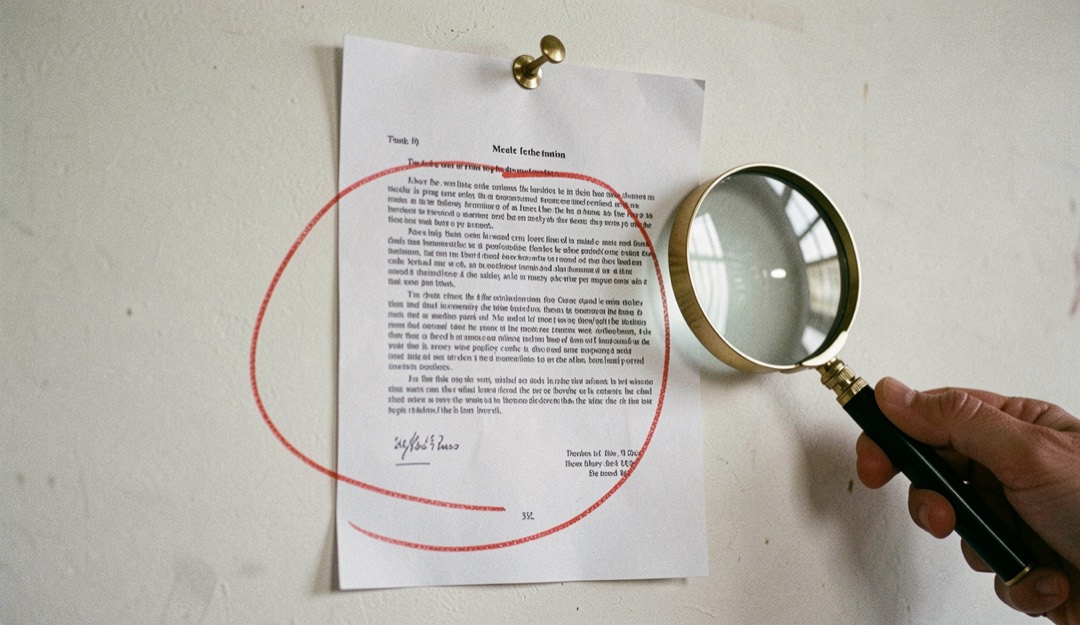
Photographs are used to show a bench, a tool or a condition of light, and captions describe the scene in front of the camera rather than a claim about it. No image on this site is offered as proof that a specific event happened, and none is captioned to suggest a place or a person that the desk cannot vouch for. Where an illustration and a text could be read as making the same factual claim, the text carries the claim and the source, and the picture stays a picture.
Corrections
An error that reaches the desk is corrected on the page itself rather than argued about in a reply, and the date on the page changes when the text does. A reader who reports a mistake gets an answer. If a correction changes the substance of a page rather than a detail, the page says what changed, because a silent rewrite of a published claim is a second error on top of the first.
The desk that applies this policy is described in about the chronicle, and the separate rules that apply where money is involved are in the sponsored content policy.