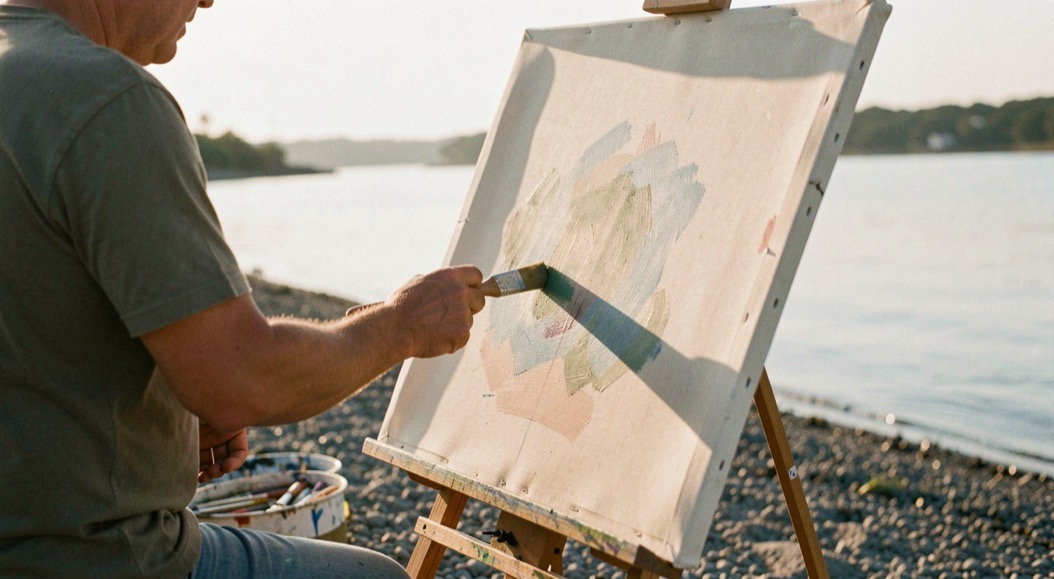
A small outdoor ceremony is planned around one date and three forecasts: the weather you expect, the weather you can tolerate, and the weather that ends the outdoors part of the day. The setting does much of the decorating, so the work shifts to sequence, sound, and shade. For a fuller walkthrough, planning an outdoor ceremony covers script structure, role assignments, and an executable weather plan that a friend officiant can actually run on the day.
How do you plan an outdoor ceremony around the weather?
You plan around weather by writing a decision, not a hope. Pick a threshold before the date: a wind speed at which the canopy comes down, a temperature below which you move indoors, a rain condition that triggers the backup rather than a delay. Assign one person, not the couple, to check the forecast at a fixed hour the day before and again two hours before the ceremony, and give that person authority to call the switch without a committee meeting.
The National Weather Service maintains point forecasts by hour at weather.gov, which is specific enough to distinguish a morning shower from an all-day rain at the same site. Use it at five days, two days, and the morning of, and note that short-range forecasts carry the most weight. Wind matters more than most couples expect: it takes programs, microphones, and unity candles out of service long before anyone is uncomfortable.
Shade is a form of weather planning too. A three o'clock ceremony in July with guests facing west is a heat plan whether you wrote one or not. Schedule around the light you want photographed and the heat you want avoided, and the calendar becomes part of the plan.
What does a small ceremony need beyond the setting?
The setting covers the eye, but it does not cover the ears, the feet, or the clock. A small guest list raises the relative cost of every missing detail, because with twenty people there is no crowd to absorb a gap. The list below is what a working shore version of a ceremony checklist keeps at hand.
| Need | Why it fails without it | Simple fix |
|---|---|---|
| Sound | Wind and open air eat a soft voice at thirty feet | One microphone and speaker, tested at volume |
| Footing | Grass, gravel, and sand move under dress shoes and walkers | Flat path, marked, with a hand or rail where ground slopes |
| Seating for waits | Standing in sun ages guests fast | Shade or seats for anyone waiting more than ten minutes |
| Time discipline | No walls means no cues; days drift | Written sequence with named transitions |
| Water and shade | Heat injures quietly | Cooler, cups, and a tree or canopy |
Beyond the physical list, a small ceremony needs a script with named roles and a rehearsal that walks only the transitions: how people arrive at their places, how the officiant begins, how the couple exits. Skip the processional theater if the group is ten; keep the moments where hesitation actually shows up. Ask vendors the weather questions early, in writing, so answers exist when the forecast turns.
How do you keep an outdoor day simple without it looking bare?
Simplicity reads as intention when three things hold: a frame, a focal point, and repetition. The frame can be two posts and a length of cloth, a doorway of the house, or the natural arch of a tree; it tells every guest where to look without a word. The focal point is the couple, and everything else should point there rather than compete. Repetition, the same flower, the same ribbon, the same color at intervals, does the work that volume of decoration otherwise does.
Let the site carry the load it is good at. Water gives movement and reflected light at no cost. Late afternoon gives warm, low light that flatters skin and photographs honestly. A working shoreline, a garden wall, or a barn door already has texture; adding rented drapery in front of it usually subtracts. Edit rather than add, and when in doubt remove one element.
Bareness is usually a sound or rhythm problem, not a decoration problem. A ceremony that starts on time, moves through its sequences at a deliberate pace, and ends with a clear cue feels furnished even with nothing on the ground. Silence used well is not emptiness; a pause after vows, with water moving behind it, is the decor.
Accessibility, paperwork, and the parts that are not romantic
An outdoor site needs an accessibility check the way it needs a rain plan: walk the route with mobility and sensory needs in mind, note distances, surfaces, and restroom access, and write down what a guest using a wheelchair or a hearing aid will actually encounter. Access needs and sensory needs belong in the plan, not in an apology on the day.
Paperwork varies by jurisdiction and decides whether the ceremony counts. A friend officiating in Texas faces a different process than a registered celebrant elsewhere, and interfaith or gender-adjusted language is a question of drafting, not permission. Verify the legal requirements against official state sources well before the date, because a beautiful ceremony that fails the paperwork is a rehearsal for a courthouse visit.
Finally, name a cleanup. Candles, petals, and ribbon left on a shore or in a park are not harmless; the site worked for you, and the plan should say who carries what out.
Frequent mistakes to avoid
- Treating the weather plan as a wish: no named threshold, no decision hour, and no one with authority to call the move, which turns a storm into a debate.
- Skipping sound because the group is small: open air and wind defeat an unamplified voice at shorter range than expected, and guests pretend they heard the vows.
- Decorating over the site instead of with it: drapery and rental props placed in front of water, stone, or trees that were already doing the work better.
- Leaving accessibility and paperwork until the last week: routes, restrooms, and legal filing each have lead times that no amount of charm on the day can repair.
Source consulted for this page on 15 September 2026: weather.gov.